 “What You Need to Know
About PEP: The Life-Saving HIV Prevention Medication”
 What Is PEP?
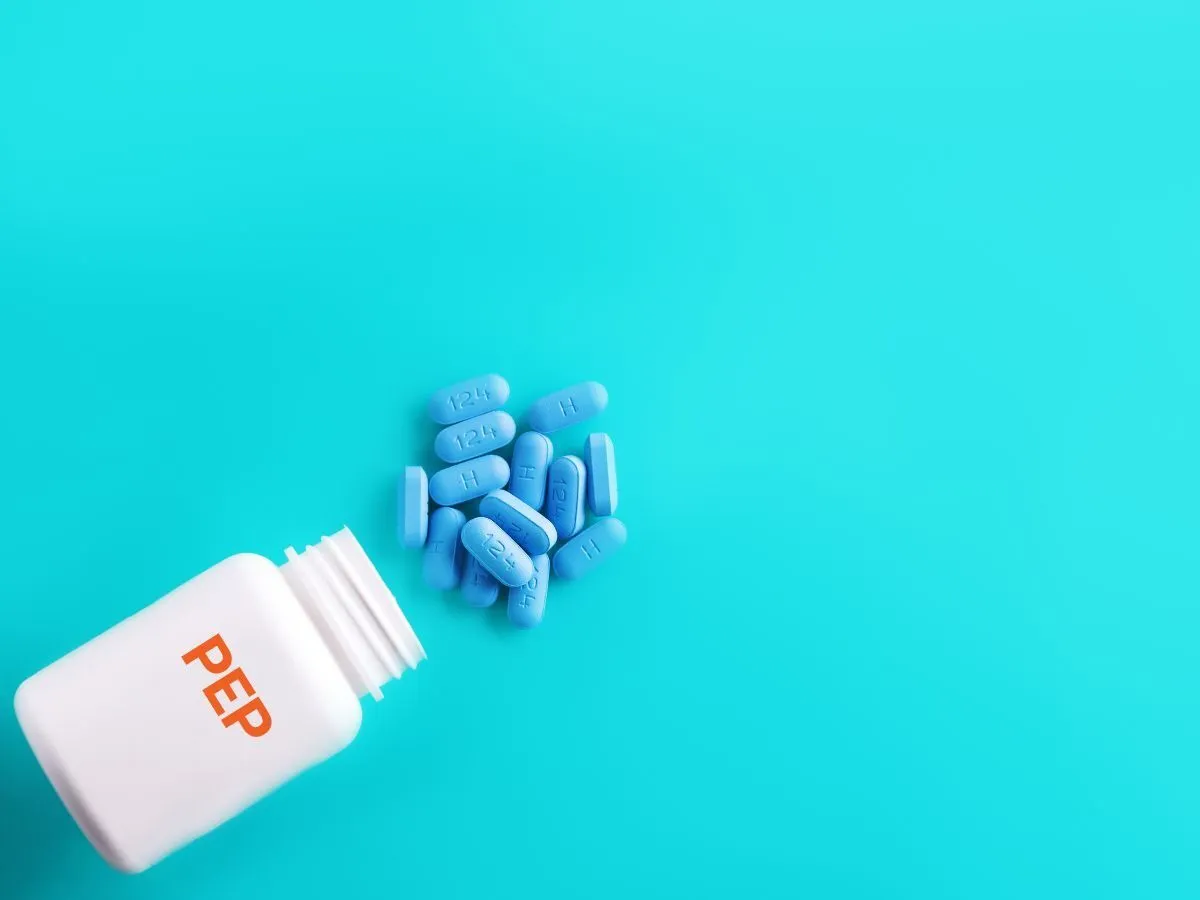
Post-Exposure Prophylaxis (PEP) is
a short-term treatment that helps prevent HIV infection after possible exposure to the virus. Think of it as an emergency medication — not something you take daily, but something you use after an unexpected risk(like unprotected sex, needle injury, or contact with infected blood).
PEP works by stopping the HIV virus from multiplying in your body before it can cause a permanent infection.
But timing is everything — you must start it within 72 hours (3 days) after possible exposure.
 When Should You Take PEP?
PEP should be taken as soon as possible after any of thefollowing:
- * Unprotected sex with someone who may have HIV
- * A condom break or slip during sex
- * Sharing needles or syringes
- * Accidental exposure to blood (for example, healthcare workers)
- * Sexual assault or rape
Remember: the sooner you start, the better the protection. PEP is most effective when started within 2 hours and still useful up to 72 hours after
exposure.
How Does PEP Work?
PEP involves taking a combination of HIV medicines (antiretroviral drugs) for 28 days. These medicines prevent the virus from multiplying and establishing infection in your body.
* Usually, PEP includes 2–3 different medications.
- * They are safe and well-tolerated for most people.
- * Common side effects may include mild nausea, tiredness, or headache — but these go away quickly.
Your doctor will guide you on which medicines to take and monitor your progress.
Where Can You Get PEP?
You can get PEP at:
- * Hospitals or emergency departments
- * HIV clinics
- * Community health centers
- * Some pharmacies (depending on your country’s regulations)
If you think you need PEP, don’t wait — go to the nearest healthcare facility immediately. Every hour matters!
 How Effective Is PEP?
When taken correctly and started on time, PEP can reduce the risk of HIV infection by over 80–90%. However, it’s not 100% effective, and it’s not a substitute for other preventive methods like condoms or PrEP (Pre-Exposure Prophylaxis). To get the best protection:
- * Start PEPwithin 72 hours
- * Take every dose exactly as prescribed
- * Complete the full 28-day course
- * Return for follow-up HIV testing after 4–12 weeks
 What’s the Difference
Between PEP and PrEP?
|
Feature |
PEP |
PrEP |
|
When to Use |
After possible |
Before exposure |
|
Duration |
28 days |
Daily, ongoing |
|
Purpose |
Emergency |
Continuous |
|
Access |
Urgent (within 72 |
Planned with a |
Both are highly effective, but PEP is for
emergencies, while PrEP is for ongoing protection.
Final Thoughts
If you think you’ve been exposed to HIV — don’t panic, act fast. PEP can be life-saving when taken on time. Visit your nearest clinic or hospital within 72 hours for evaluation and treatment. Your health and peace of mind are worth it.
Remember: early action can prevent lifelong infection.