
What to Do When You Have a Cut: Proper Wound Treatment Guide by D’Square Medical
Cuts and minor wounds are common injuries that can happen at home, work, or outdoors. While many cuts heal on their own, proper wound treatment is essential to prevent infection, reduce scarring, and promote faster healing. At D’Square Medical, we provide expert care and guidance for safe and effective wound management.
Types of Cuts and Wounds
Understanding the type of cut helps determine the right treatment:
- Minor cuts – Small, shallow wounds with minimal bleeding
- Deep cuts – Cuts that bleed heavily or expose underlying tissue
- Abrasions – Scrapes caused by friction
- Lacerations – Irregular or jagged cuts
- Puncture wounds – Deep wounds caused by sharp objects
If a wound is deep, bleeding excessively, or shows signs of infection, medical attention is necessary.
Immediate Steps to Take When You Have a Cut
1. Wash Your Hands
Before touching the wound, clean your hands thoroughly with soap and water to prevent bacterial contamination.
2. Stop the Bleeding
Apply gentle pressure using a clean cloth or sterile gauze. Elevating the injured area can help slow bleeding.
3. Clean the Wound Properly
Rinse the cut with clean running water to remove dirt, debris, and bacteria. Avoid using harsh chemicals like hydrogen peroxide or iodine directly inside the wound, as they may delay healing.
4. Apply an Antiseptic
Use a mild antiseptic or antibiotic ointment to prevent infection and promote healing.
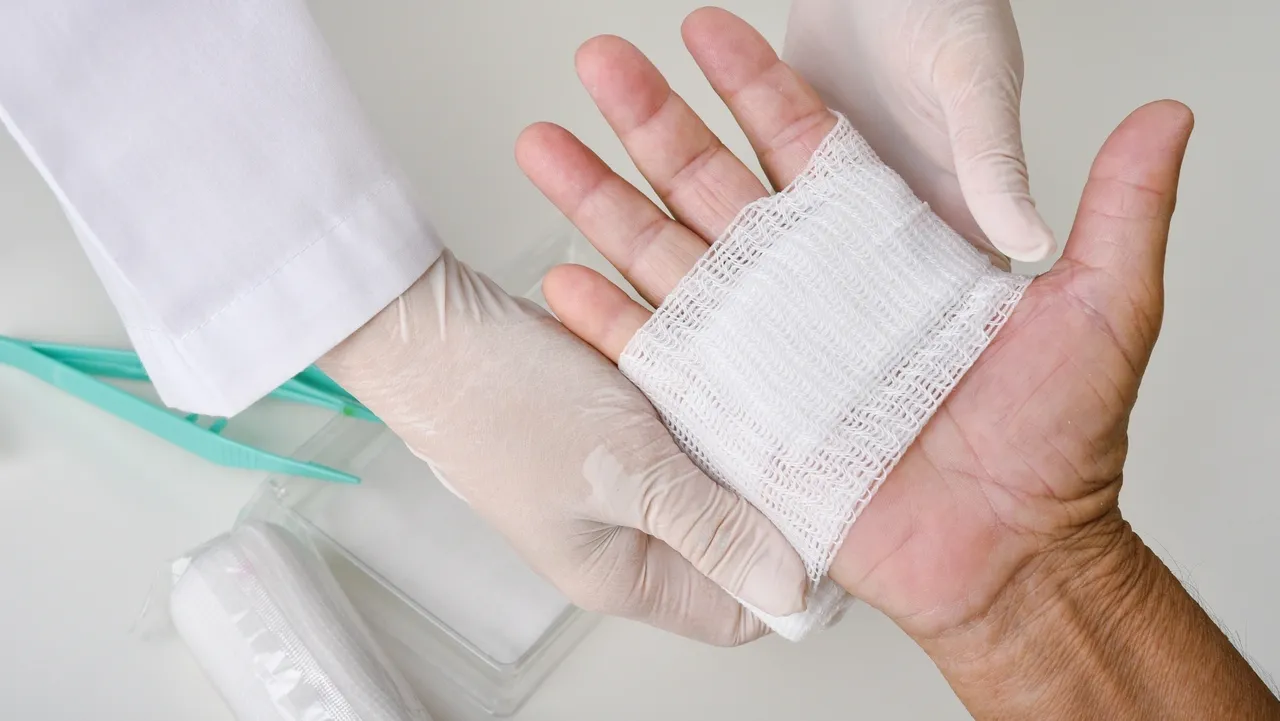
5. Cover the Wound
Apply a sterile bandage or dressing to protect the wound from dirt and bacteria. Change the dressing daily or whenever it becomes wet or dirty
.
Proper Wound Treatment Tips for Faster Healing
- * Keep the wound clean and dry
- * Avoid touching or picking at the wound
- * Change dressings regularly
- * Watch for signs of infection
- * Eat a balanced diet to support healing
Proper wound care significantly reduces the risk of complications.
Signs of Infection to Watch For
Seek medical care if you notice:
- * Increased redness or swelling
- * Pus or unusual discharge
- * Warmth around the wound
- * Persistent pain
- * Fever or chills
- * Red streaks spreading from the wound
These may indicate a wound infection that requires professional treatment.
When Should You Visit D’Square Medical?
You should seek medical attention if :
- * The cut is deep or bleeding does not stop
- * The wound edges are wide open
- * The cut is caused by a rusty or dirty object
- * You have not had a tetanus shot in the last 5–10 years
- * The wound shows signs of infection
- * The injury occurs on the face, hands, or joints
At D’Square Medical, our healthcare professionals provide expert wound assessment, cleaning, suturing (stitches), dressing, and infection management.
Why Choose D’Square Medical for Wound Care?
- * Experienced medical professionals
- * Safe, sterile wound treatment protocols
- * Prompt and compassionate care
- * Advanced medical facilities
- * Personalized treatment plans
Your health and safety are our top priority.
Final Thoughts
Even small cuts should not be ignored. Proper wound treatment helps prevent infection, minimizes scarring, and ensures faster healing. If you’re unsure how to care for a cut or notice warning signs, D’Square Medical is here to help.
📞 Contact D’Square Medical today or 📅 book an appointment for professional wound care and treatment.